
Where the breakeven really sits, and the hidden costs of shared containers that quotations rarely show.
Key takeaways
- Below roughly 12 – 15 CBM, LCL usually wins; above it, a 20ft FCL is normally cheaper per unit.
- LCL adds deconsolidation time and handling risk; FCL gives you a sealed box end to end.
- Volumetric rules mean light, bulky cargo is charged on space, not weight.
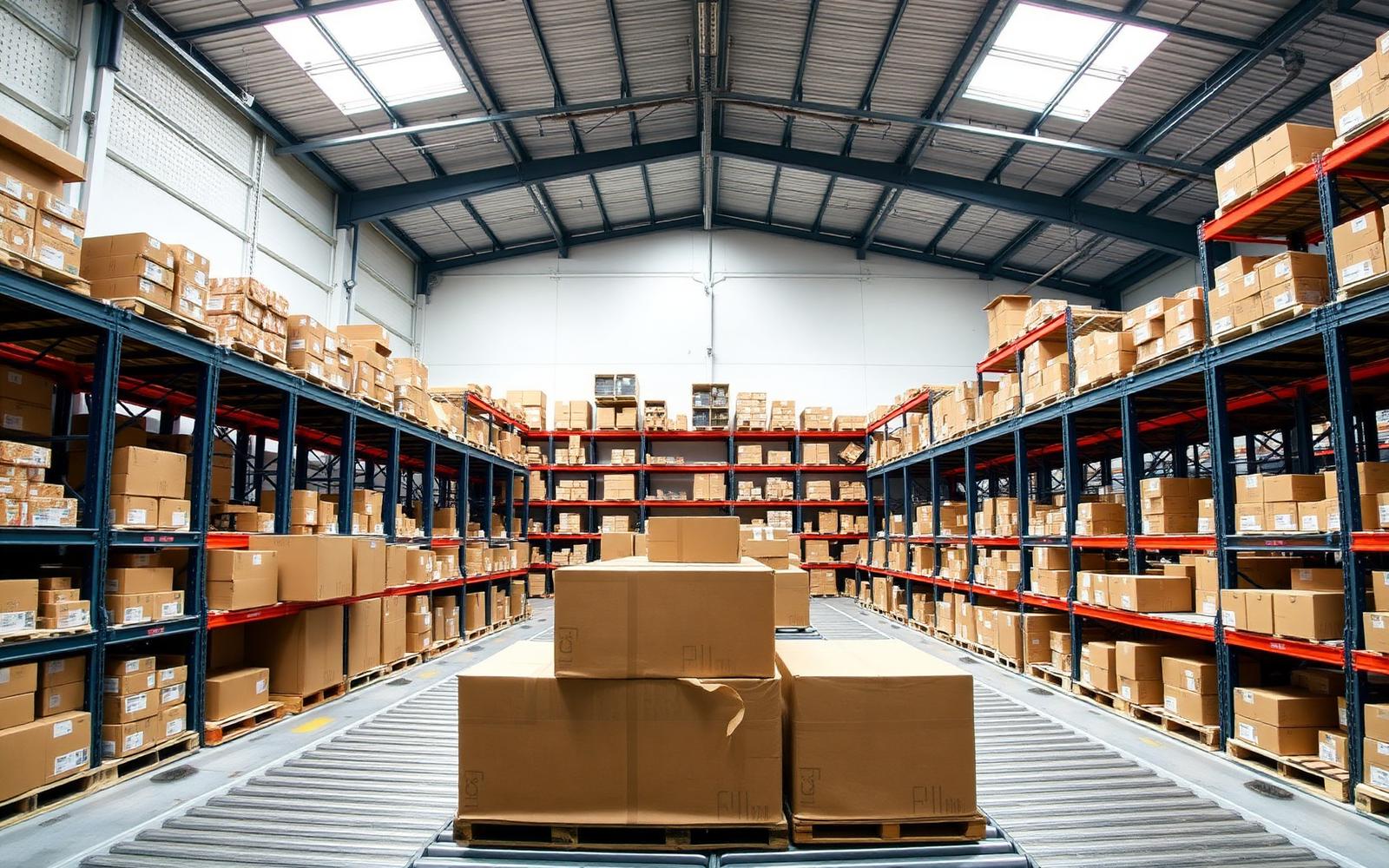
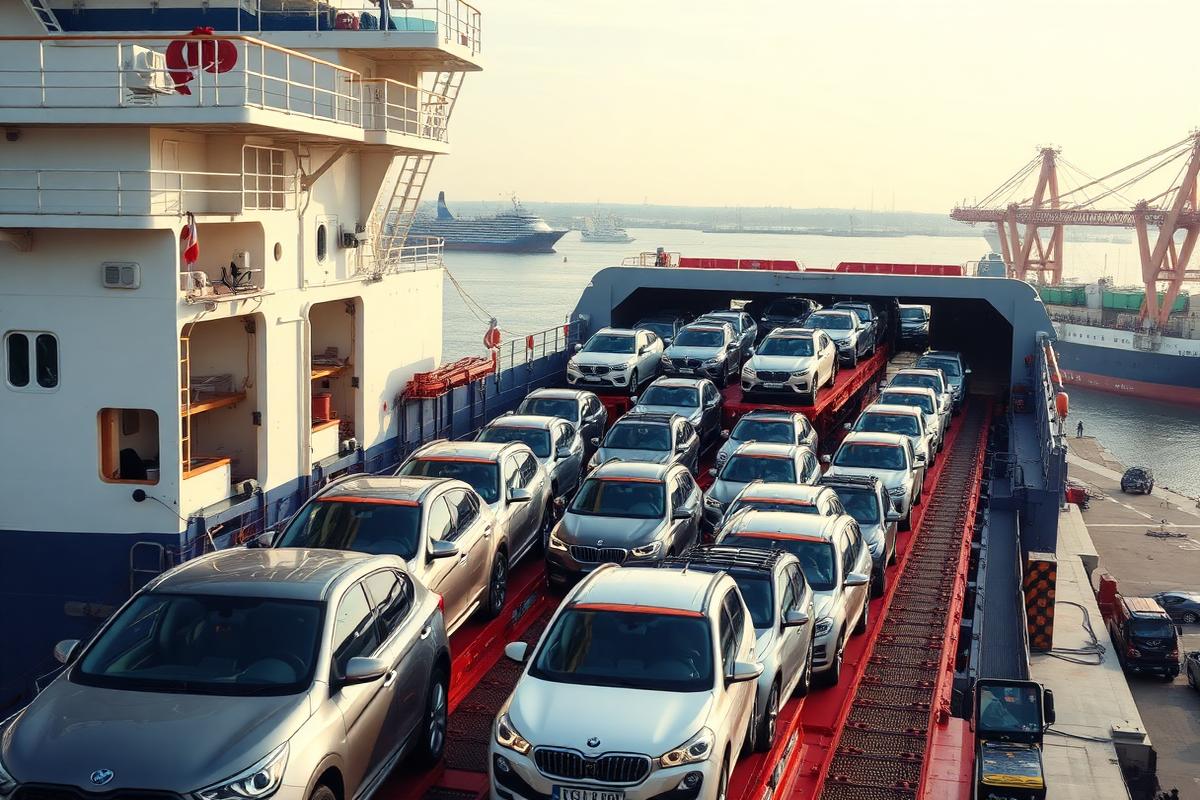
FCL (Full Container Load) means you buy the whole container. LCL (Less than Container Load) means your cargo shares a container with other importers and is separated at destination. Both take 30 – 45 days from Asia; the difference is cost structure, risk and handling time.
Capacity you are actually buying
| Option | Usable volume | Typical payload |
|---|---|---|
| LCL | From 1 CBM upward | Priced per CBM or per 1,000 kg, whichever is greater |
| 20ft FCL | ~28 – 30 CBM | Up to ~28 tonnes, dense cargo |
| 40ft FCL | ~58 – 60 CBM | Bulky, lighter cargo |
| 40ft High Cube | ~68 CBM | Volume-heavy consignments |
Where the breakeven sits
LCL is charged on the greater of volume or weight, and it carries fixed destination charges regardless of how small your parcel is. As your volume grows those per-CBM rates stop being competitive. As a working guide, once you are consistently shipping above 12 – 15 CBM on a lane, price a 20ft FCL — you will often pay the same or less and gain three advantages: fewer handling touches, no waiting for co-loaders, and a sealed container.
The costs LCL quotations hide
- Destination deconsolidation and CFS handling fees
- Extra days waiting for the full container to be stripped
- Higher damage exposure — your cartons are moved more times
- Delay risk from another shipper's documentation problem in the same box
Packing that survives the journey
For LCL especially, palletise where possible, use double-wall cartons, label every carton with your mark and carton number, and never rely on shrink wrap alone. Cargo that is easy to identify is cargo that does not get mis-delivered at deconsolidation.
Next step
Need this handled by specialists?
Talk to our procurement, freight and customs team for a shipment-specific answer — not a generic quote.